
“That Doesn’t Seem a Very Commendable Proceeding”: The Fate of Titanic’s Lifeboats
In the blue morning hours of 15 April 1912, having already brought aboard Titanic’s survivors, the Carpathia set about to salvage any of the now-vacant lifeboats thought to be in good condition.
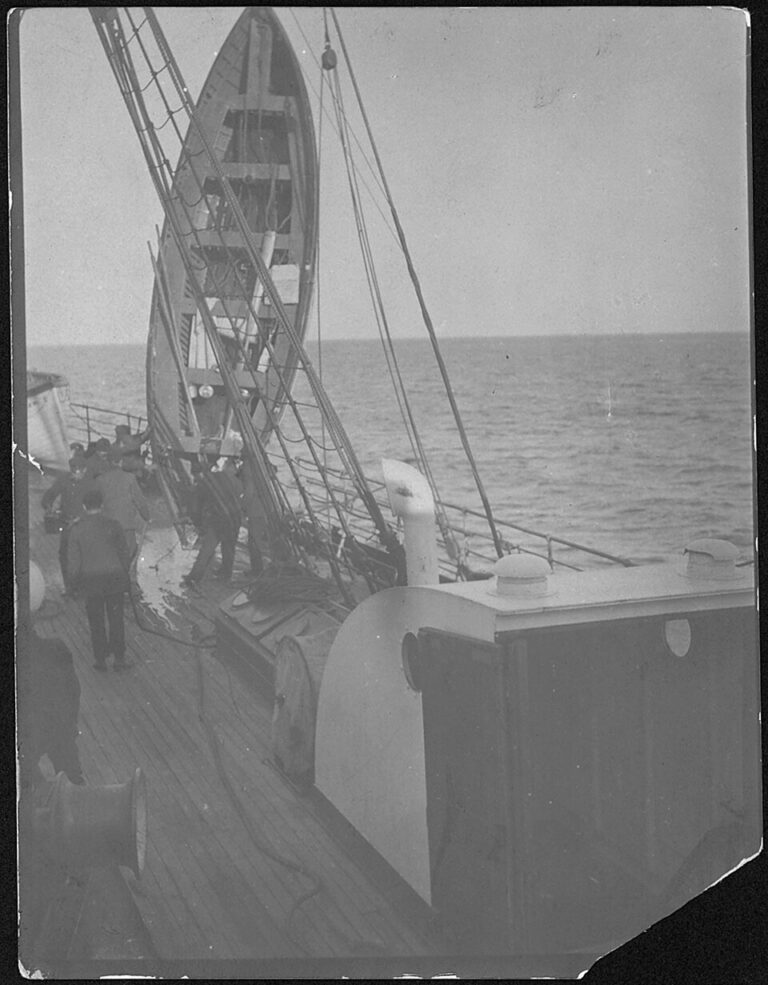
But, with precious little room to store them all on an already-full vessel, it was decided that not all the lifeboats could be saved.
And so, some of the Titanic’s lifeboats were set adrift, or otherwise abandoned to the open ocean.
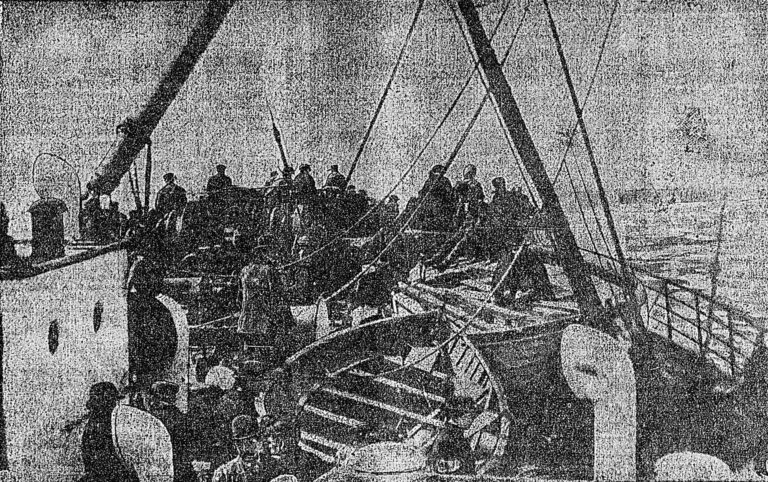
Thirteen of Titanic’s twenty lifeboats arrived on the Carpathia when she swung into New York City on the night of 18 April.
They were, as it turned out, the very first of Titanic’s survivors to disembark the rescue ship—much to the wonder and dismay of the throng that awaited the Carpathia at Pier 54.
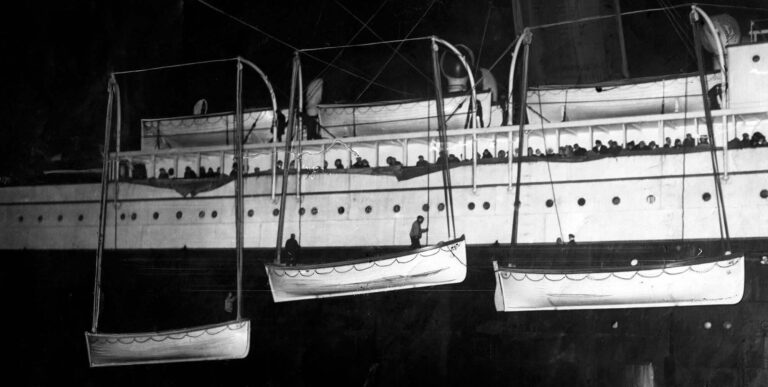
The waiting hundred, almost frantic with anxiety over what the Carpathia might reveal, watched her, as with nerve-destroying leisure she swung about in the river, dropping overboard, Titanic’s lifeboats. It was dark in the river, the lowering of the boats could be seen from the Carpathia’s pier, and a deep sigh arose from the multitude there as they caught this first glimpse of something associated with the Titanic.
The Carpathia’s captain Arthur Rostron later described the scene himself.
There were dozens of tug[boats] dodging about the ship, and the lowering away of Titanic’s boats (we could not get into dock until all of the Titanic boats were away from the ship, as seven of them were suspended in our davits and six were in the forecastle head, and so in the way of working the mooring ropes) and these boats, leaving the ship in the blackness of the night with two of the rescued crew in each boat and some of Titanic’s officers in charge of them, it brought back to one’s mind the manner in which these same boats were last lowered from that great and magnificent ship never to reach New York.
According to various reports, some of the wrecked lifeboats were laid upon a derrick vessel called Champion, while some others were towed away to berth by tugboats.
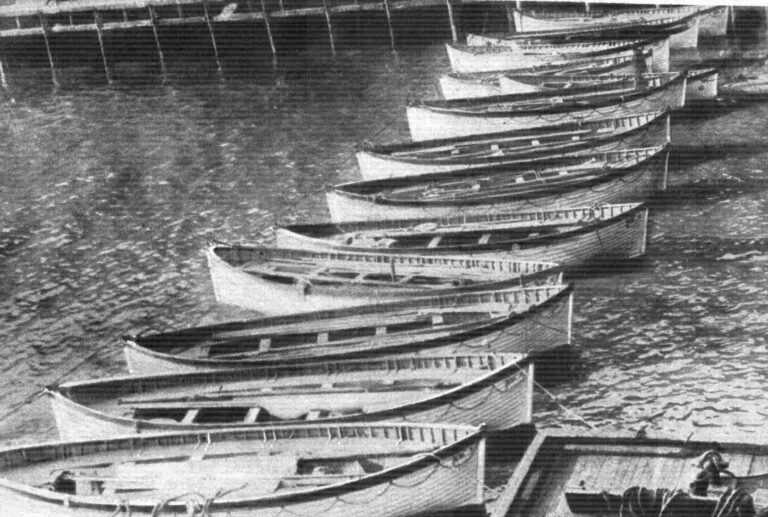
Once reunited and off-board the Carpathia, Titanic's thirteen lifeboats weathered that rainy night in the water, bobbing and clattering in the White Star Line’s Pier 59.
Meanwhile, Senator William Alden Smith had conducted a hasty interview with White Star chairman J. Bruce Ismay while he was still on board the Carpathia. Afterward, Senator Smith had informed the press that the surviving lifeboats would be of use in the upcoming Senate inquiry into the loss of the Titanic.
But it would not happen.
After their sleepover in the water, the huddled lifeboats were pulled from the water the next day. The task was undertaken by men working for the firm Merritt & Chapman, whose derrick had assisted the night prior.
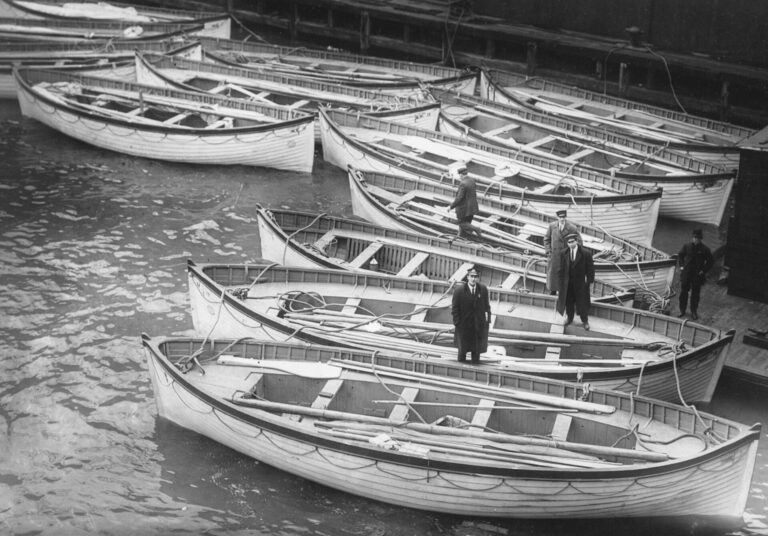
Under supervision, the lifeboats were hauled aloft onto the docks between Piers 58 and 59.
Each of the thirteen lifeboats were then inspected and their contents were plainly inventoried by a dockside supervisor named Osborne Thompson.
Mr. Thompson also made note of every lifeboat’s present condition, particularly whether insignia such as Titanic name plates, number plates, or White Star Line flags were absent.
Many were.
Perhaps the surviving lifeboats had been scavenged overnight by relic hunters, stripped of their brass nameplates for souvenirs.
First-class survivor Abraham Salomon, however, offered another explanation, claiming outright that the lifeboats were robbed of their fittings during their recovery at sea.
Within an hour after the Titanic's lifeboats had been stowed aboard the Carpathia every name plate had been taken off them. There were offered for sale at $5 each, and every one of them was sold. That doesn't seem… a very commendable proceeding from either side, but I may be wrong.
Mr. Salomon’s assertions have been proven accurate over the course of time, as various fittings from the thirteen lifeboats have appeared in both private and museum collections.
Just as likely, of course, is that some of the affected lifeboats might have simply incurred damage during their handling in the aftermath of the sinking.
Once inventoried by Mr. Thompson, the lifeboats were stored away.
This decision immediately incited media suspicions; the press readily suggested that the White Star Line had something to hide.
It was even reported that a photographer, while attempting to take photos of the mysterious lifeboats, had a gun fired on him by a pier watchman on duty.
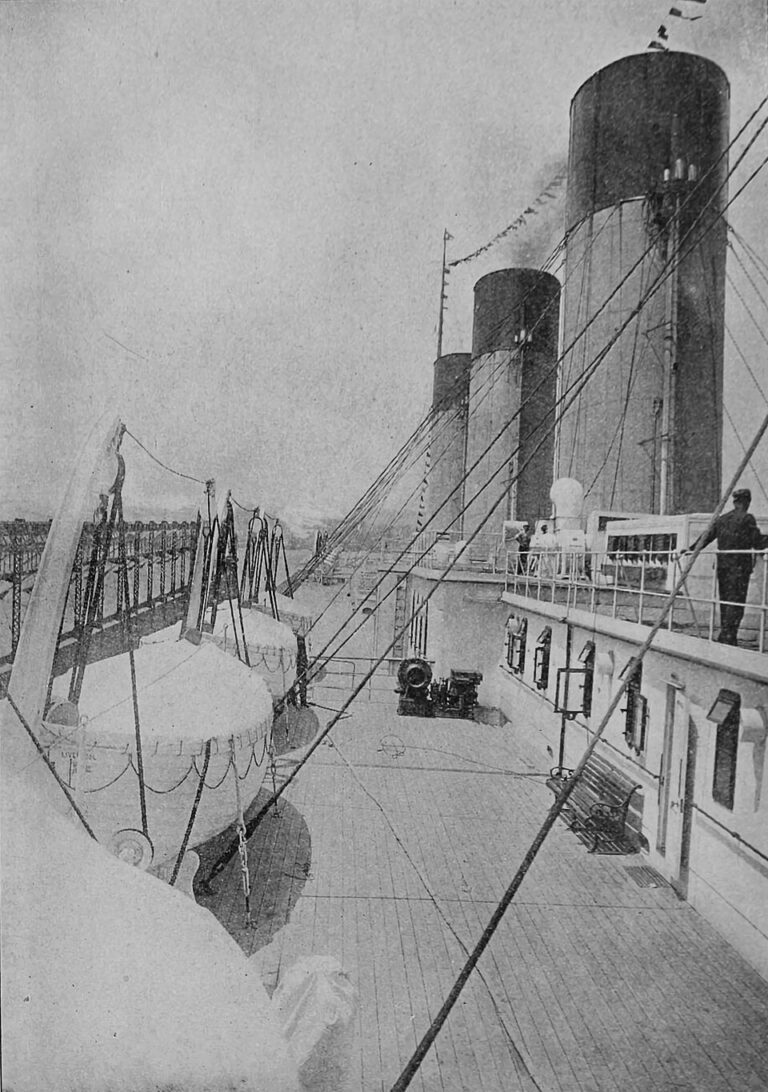
The White Star Line presumably stored the lifeboats in New York due to Senator Smith’s proclamation that the vessels would be pertinent to his investigation.
But the United States Senate Inquiry concluded in May 1912.
And as of September of 1912, the lifeboats were still in situ at the pier.
But they had not been forgotten.
On the 28th of September, a pair of gentlemen named Henry Masters and Frank Martin carried out a valuation of the thirteen lifeboats at the behest of the White Star Line.
According to Martin and Masters, they came upon the boats at Pier 58. They had been placed on the second story of the dock, and were arranged in no particular order. The men started at the end of the dock with Lifeboat 11.
One by one and with the help of two dockyard employees, the men pulled each boat’s canvas back, measured it, and conducted a detailed assessment. Mr. Martin scribbled the corresponding notes in his ledger.
The lifeboats were all damaged in some way, he recalled—some missing their wooden gunwales, others with broken planks—but in spite of some scuffs, none of them “appeared to be very old.”
The valuation took around 4 or 5 hours.
Just before the new year, the White Star Line hired someone else to assess the lifeboats yet again; this time, the intent was to assess their value in the American marketplace.
The assessor, named Axel Sawman, found them in “the upper part of the shed” at Pier 58, just as his predecessors had. He thereafter conducted an itemization of the separate items and effects of each lifeboat.
Sawman's appraisal is the last known record of Titanic’s thirteen surviving lifeboats. Whether they were recycled, scrapped, or abandoned to rot in that shed, the last relics of the Titanic were never seen again.
Over a century later, evidence of their fate has yet to be found.
share