
“Joe, the Ship Is Going Down Fast”: Joseph Pierre Duquemin
When 24-year-old Joseph Duquemin left his home that April day, he told his parents he was just off to the candy shop in town.
Instead, he left Guernsey forever.
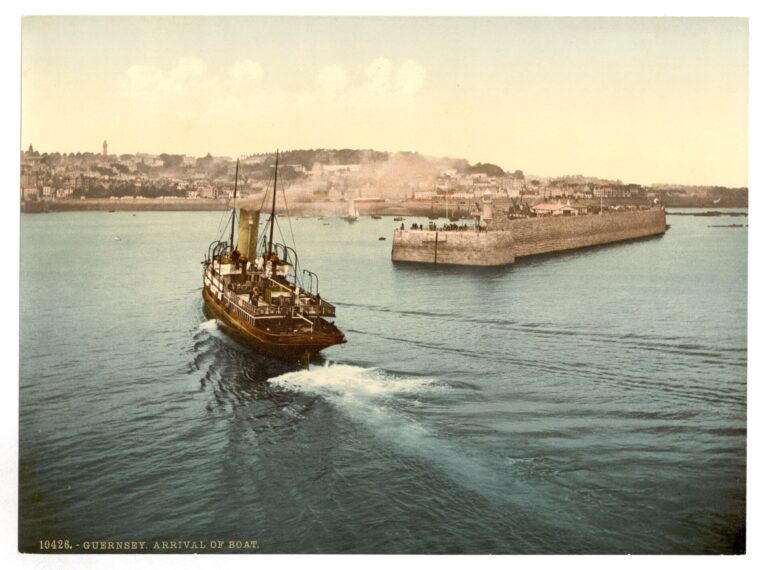
Joseph Duquemin wanted to go to America.
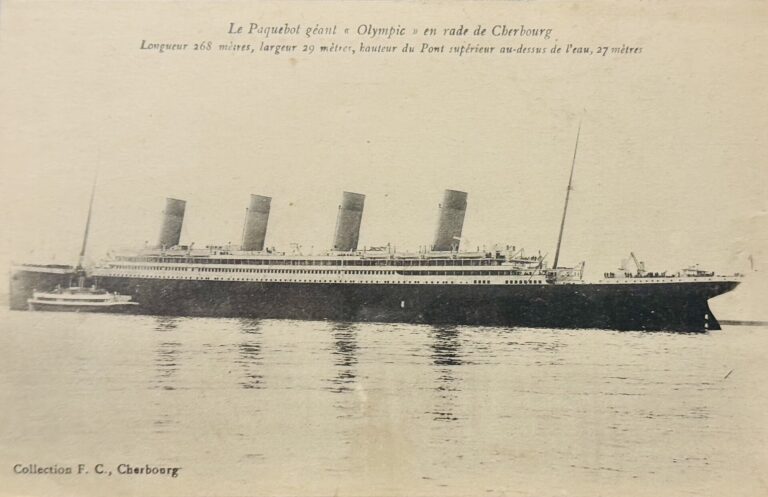
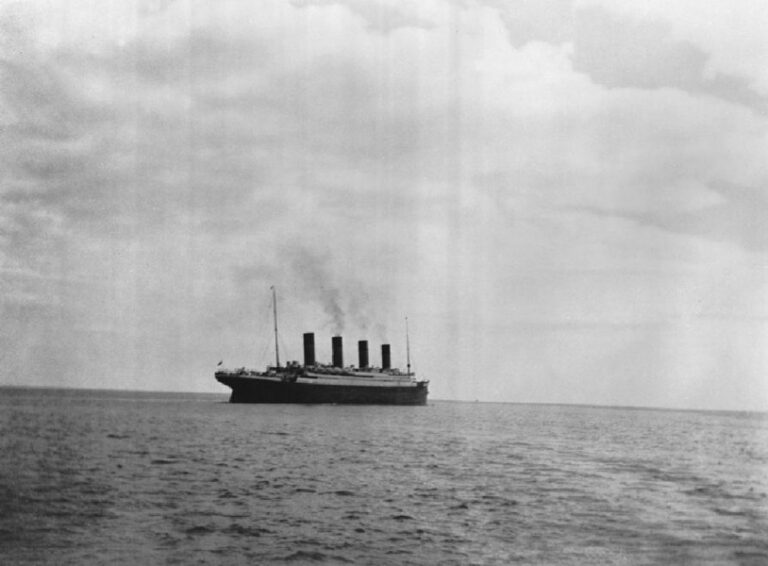
And he planned to do so on Titanic.
“He didn’t want to make a big deal of his leaving,” Joseph’s son explained decades later.
Joseph was successful in realizing his ambitions, securing his Third-class ticket on Titanic for just over £7.
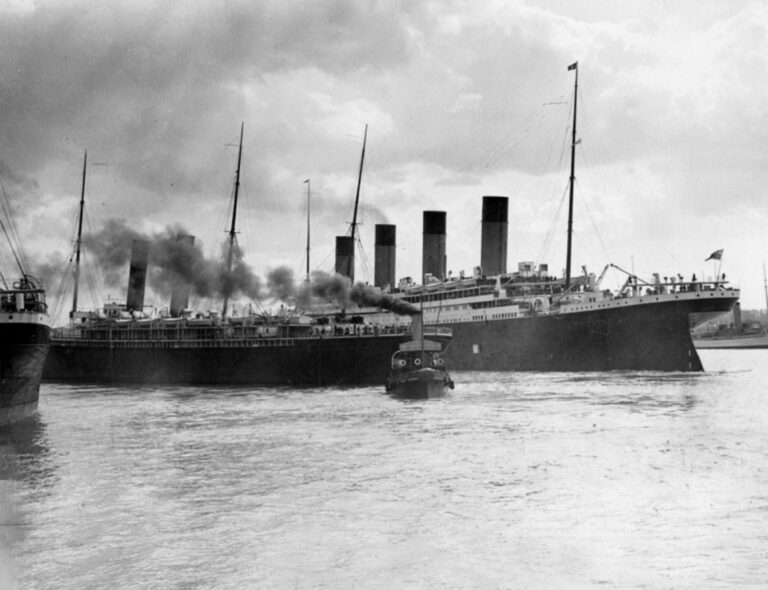
When Joseph embarked on 10 April 1912, he did so in the company of 28-year-old Howard Williams, his good "chum" from back home. Joseph called him Harry.
Each of them already had work lined up in the United States.
Harry was Boston-bound, and planned to work at a shipyard. Joseph intended to continue his work as a quarryman once he reached his destination in western New York state.
Coincidentally, Joseph and Harry also knew at least one Second-class passenger on Titanic: a Guernsey fruit farmer and athlete called Bert Denbuoy.
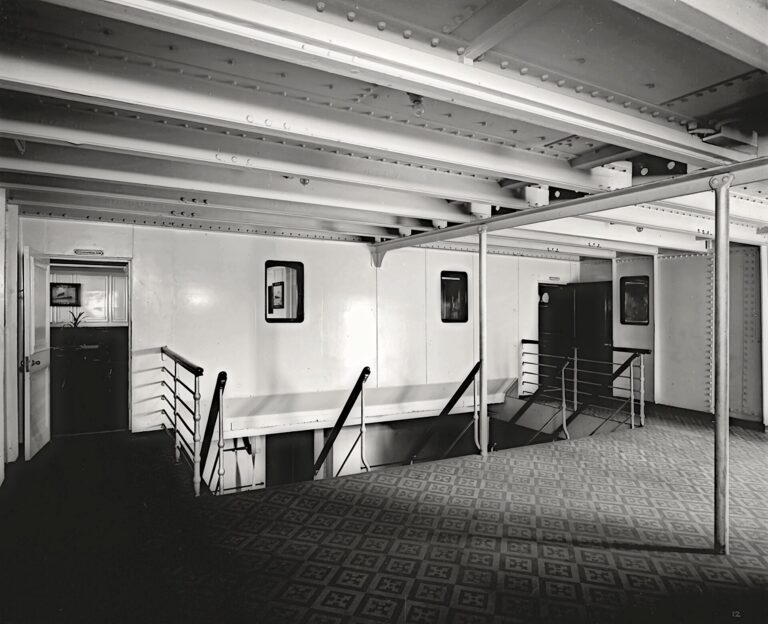
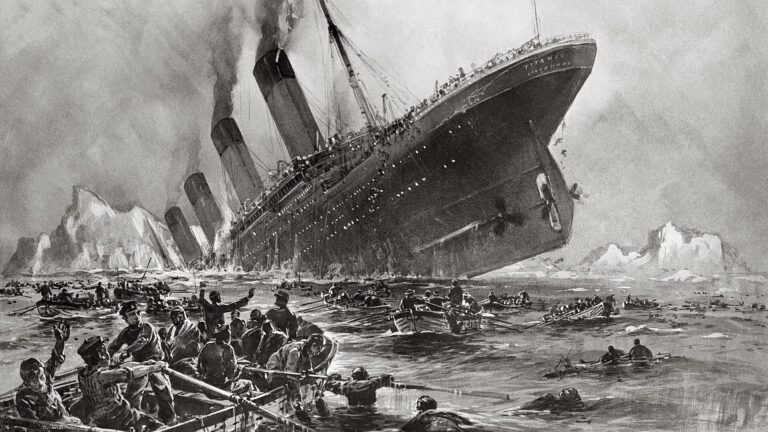
When Titanic struck the iceberg on the night of April 14th, Joseph Duquemin was in his quarters and settled in to sleep.
The impact of the collision threw him out of his bunk.
Alarmed, Joseph immediately proceeded up to the boat deck, where he was instructed to return to bed.
But he could not bring himself to abide that instruction.
Instead, Joseph went to Harry’s cabin, where he found him abed. Joseph urged his friend to accompany him to the boat deck with haste. Something was dreadfully amiss.
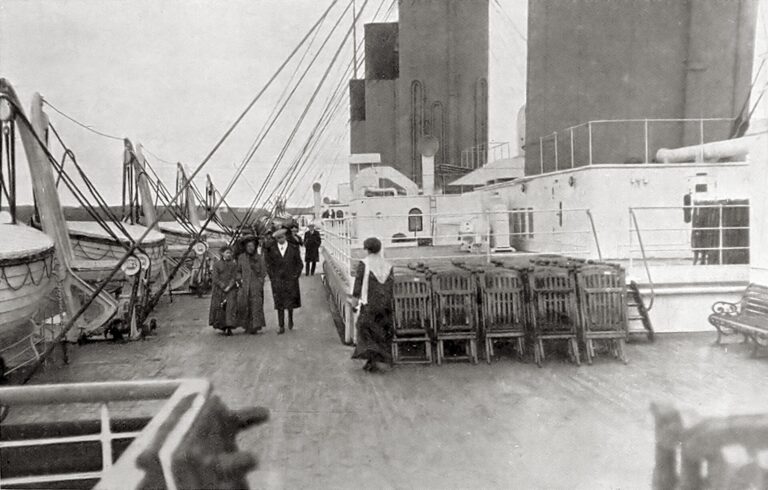
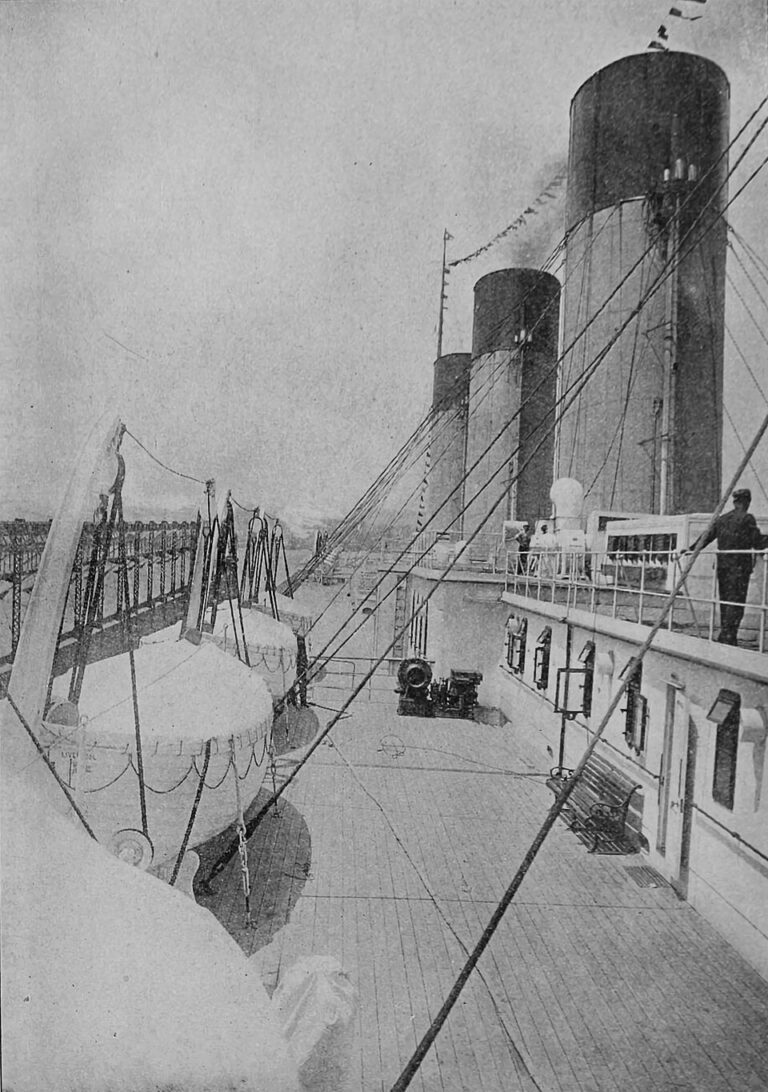
Harry heeded the warning, dressed quickly, and followed Joseph up top to the Third-class promenade, at the stern.
Once there, the pair struggled with their next move.
Joseph recounted this back-and-forth in a letter to his father, which was published by the Guernsey Evening Press on 6 June 1912.
We went to the stern of the ship.
I told him to come where the boats were being lowered, but he replied, "It’s no use for us to go." We then walked up and down the ship for a bit. after a time, I asked him “What do you think about it?” and he said “Joe, the ship is going down fast.” “Well,” I said, “Harry, it’s no use to stay here.”
As published in the Guernsey Evening Press on 6 June 1912.
Joseph's humble assertion that he “walked up and down the ship for a bit" belies prior reporting from that very same periodical.
According to an article published by the Guernsey Evening Press a full month prior to his firsthand account, Joseph spent the disaster on deck, aiding women and children as they awaited lifeboats on the port side.
Curiously, though, this article makes no mention of Harry Williams's presence at all.
Instead, it reports that Joseph was acting alongside his friend from Second-class, the aforementioned Bert Denbuoy.
Bert's friend Joseph Duquemin, was doing his best to help the women and children. At one point he he took off his overcoat and wrapped it round a shivering seven-year old girl. Both of them Denbuoy and Duquemin worked together until they were waist deep in water. By that time all the boats had left.
As published in the Guernsey Evening Press on 2 May 1912.
The young child to whom Joseph had given his coat was Eva Hart, a Second-class passenger traveling with her parents.
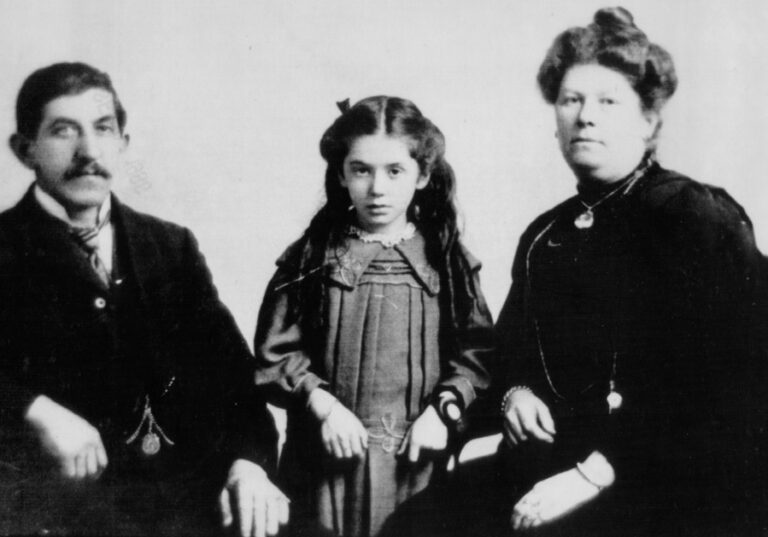
Eva Hart with her parents, Benjamin and Esther, 1910s.
PUBLIC DOMAIN
According to the report published on 2 May 1912, "Joseph Duquemin turned to [Bert] and said ‘I’m off.’ He swam away from the deck and headed for the last lifeboat."
But Joseph's own testimony differs.
One of the men then told us that there was another boat and we started to run, but the ship was now almost gone down. I told Harry “Come this way,” but he said “No, it is too dangerous here.” We left one another as he did not wish to come. I went and I jumped overboard.
As published in the Guernsey Evening Press on 2 May 1912.
Whether both accounts are complete, or two halves of a whole—and, if the latter, in which sequence they might have occurred—is unclear.
Neither Harry Williams nor Bert Denbuoy survived. Harry was reportedly drowned in the eddy of Titanic's suction.
As he flailed, he screamed for Joseph.
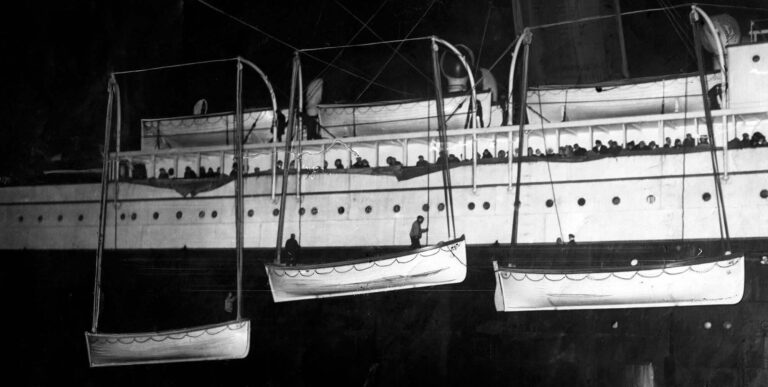
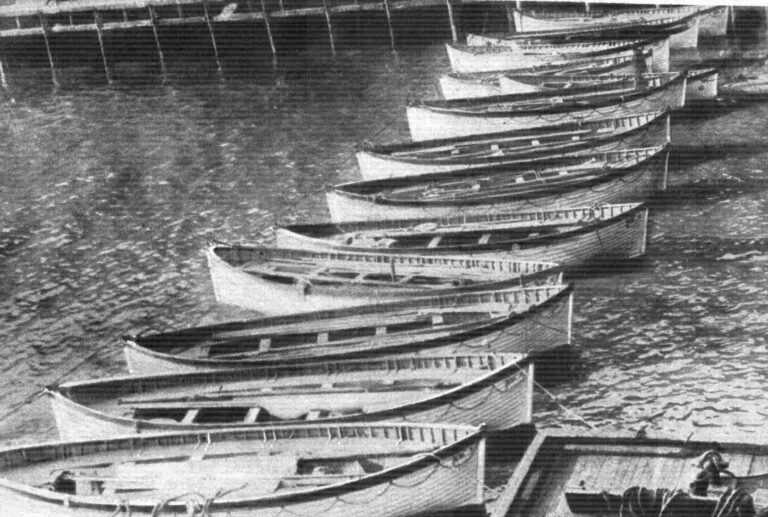
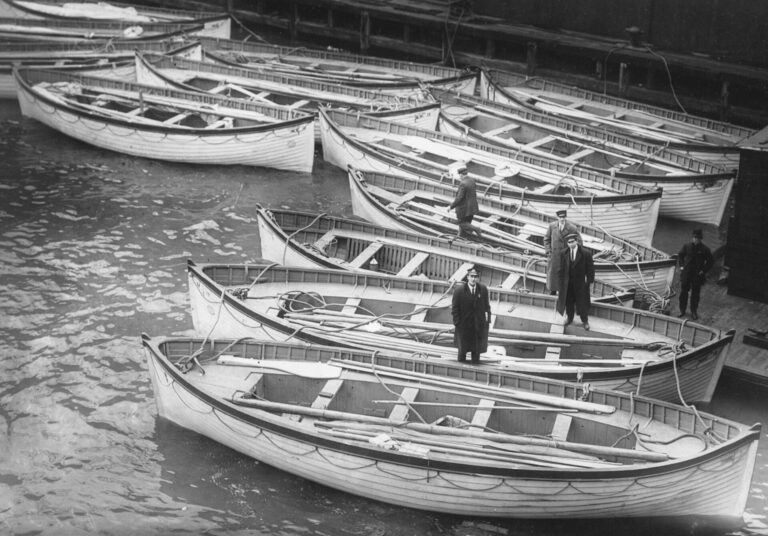
Having struck out away from the ship, Joseph Duquemin swam hard for the nearest lifeboat. It was Collapsible D, which was launched off the port side at 2:05 a.m.—only fifteen minutes before Titanic fully submerged.
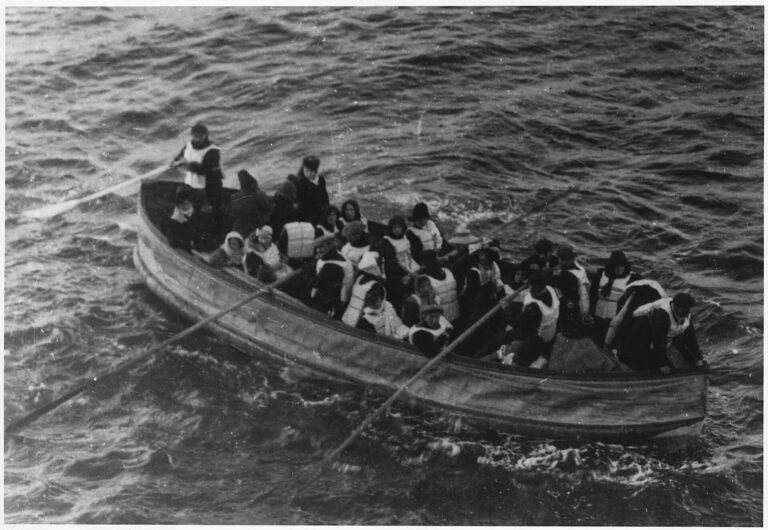
But when Joseph at last reached the lifeboat, he was refused entry. "They were," as Joseph's son summarized, "afraid too many people would get on board."
As Joseph gripped the canvas sides of the lifeboat, he was beaten away with oars; it was the same violence inflicted upon fellow steerage passenger Thomas McCormack.
Joseph reversed his fate, however, when he insisted that he was a capable oarsman. Once pulled from the water, he readily hauled another struggling swimmer aboard: First-class passenger Frederick Hoyt, whose frantic wife was already in the same lifeboat.
Joseph's goodwill was not well-received by the other occupants in Collapsible D.
He also helped someone else out of the icy water. Hearing a cry for help, Joseph hoisted another swimmer aboard. The rest of the passengers were so angry that they threatened to throw them both back in the sea.
As published in the Guernsey Evening Press on 2 May 1912.
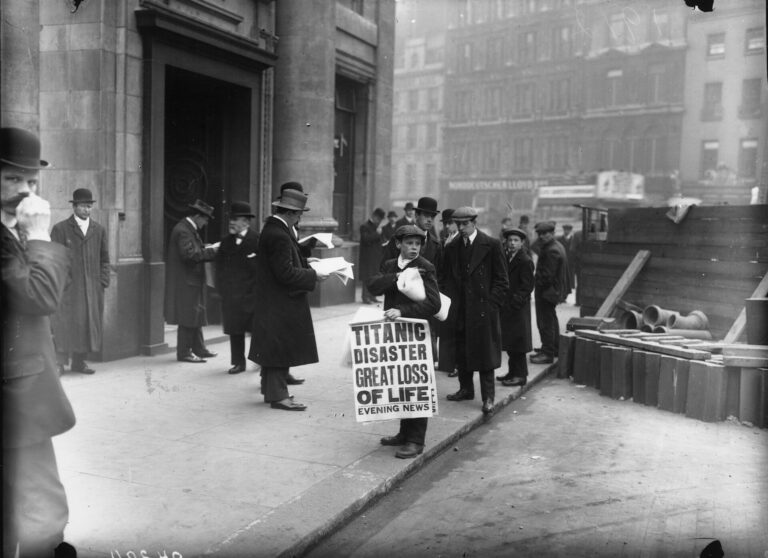
News of the disaster reached Guernsey almost immediately, on the 15th or 16th of April.
Terrified, Mr. and Mrs. Duquemin awaited any word of Joseph’s fate. According to Joseph’s little brother Gerald, his mother was put on bedrest by the family physician due to shock.
Word arrived almost an agonized week later, on the 20th. It was delivered personally by the master of the local Post Office.
Mr. Duquemin’s hands were shaking so badly that he could not read the telegram he held; Joseph’s sister had to read the words aloud for the family.
It was a meager five words: “Joseph Duquemin reported safe, Ismay.”
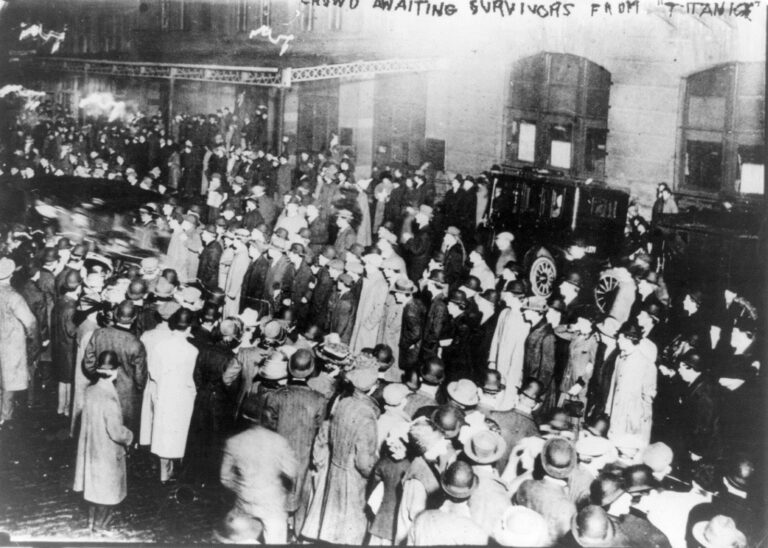
Upon his arrival in New York City, Joseph was hospitalized for his frostbitten legs, as well as presumed injury to his hands from his beating with the lifeboat’s oars.
"Every winter," his son remembered, "his hands would turn white where they hit him with the oars."
Once recuperated, Joseph proceeded with his plan and traveled to Rochester, New York, for masonry work. He wrote to his father, "I am glad to say that I have quite recovered from my dreadful experience. I am well and at work."
At some point thereafter, he moved to Windham County, Connecticut. And shortly thereafter, he served in the First World War.
Upon his return to the United States, Joseph migrated southward toward the Connecticut coastline. Reportedly, Frederick Hoyt—the affluent First-class passenger Joseph had pulled into Collapsible D—connected him with a job opportunity in Stamford, Connecticut.
And so it was that Joseph settled there, married, and had three children.
According to family, Joseph was a stern and stubborn sort; he spoke of his experience on the Titanic rarely if at all, and it was not an open topic of discussion in his household.
When it came to Titanic, "You didn't talk until [Joseph] talked."
But for the rest of his life, Joseph woke up screaming.
In his nightmares, he could still hear Harry crying out his name.
I heard him calling me “Joe! Joe!”
And these were the last words I heard from him.
As published in the Guernsey Evening Press on 6 June 1912.
Joseph Duquemin died in Stamford, Connecticut, on June 1st of 1950. He was 62 years old.
Years later, Eva Hart traveled to Guernsey to honor the memory of Joseph Duquemin, and to thank his family for the coat that kept her warm as Titanic sank.
SOURCE MATERIAL
Personal recollections of Joseph Duquemin’s descendant.
https://titanicuniverse.com/passengers/joseph-pierre-duquemin/
https://www.encyclopedia-titanica.org/mr-joseph-duquemin.html
https://www.encyclopedia-titanica.org/titanic-the-last-boat.html
https://www.encyclopedia-titanica.org/account-gerald-duquemin.html
https://www.encyclopedia-titanica.org/community/threads/joseph-pierre-duquemin.21169/
https://titanicarchive.org/collections/interviews/eva-miriam-hart/eva-hart-survivor
https://www.bbc.com/news/world-europe-guernsey-17694113
https://www.bailiwickexpress.com/news-ge/titanic/
https://www.encyclopedia-titanica.org/titanic-victim/howard-hugh-harry-williams.html









.jpg)